Choosing the Right Accounting Software for a Growing Business
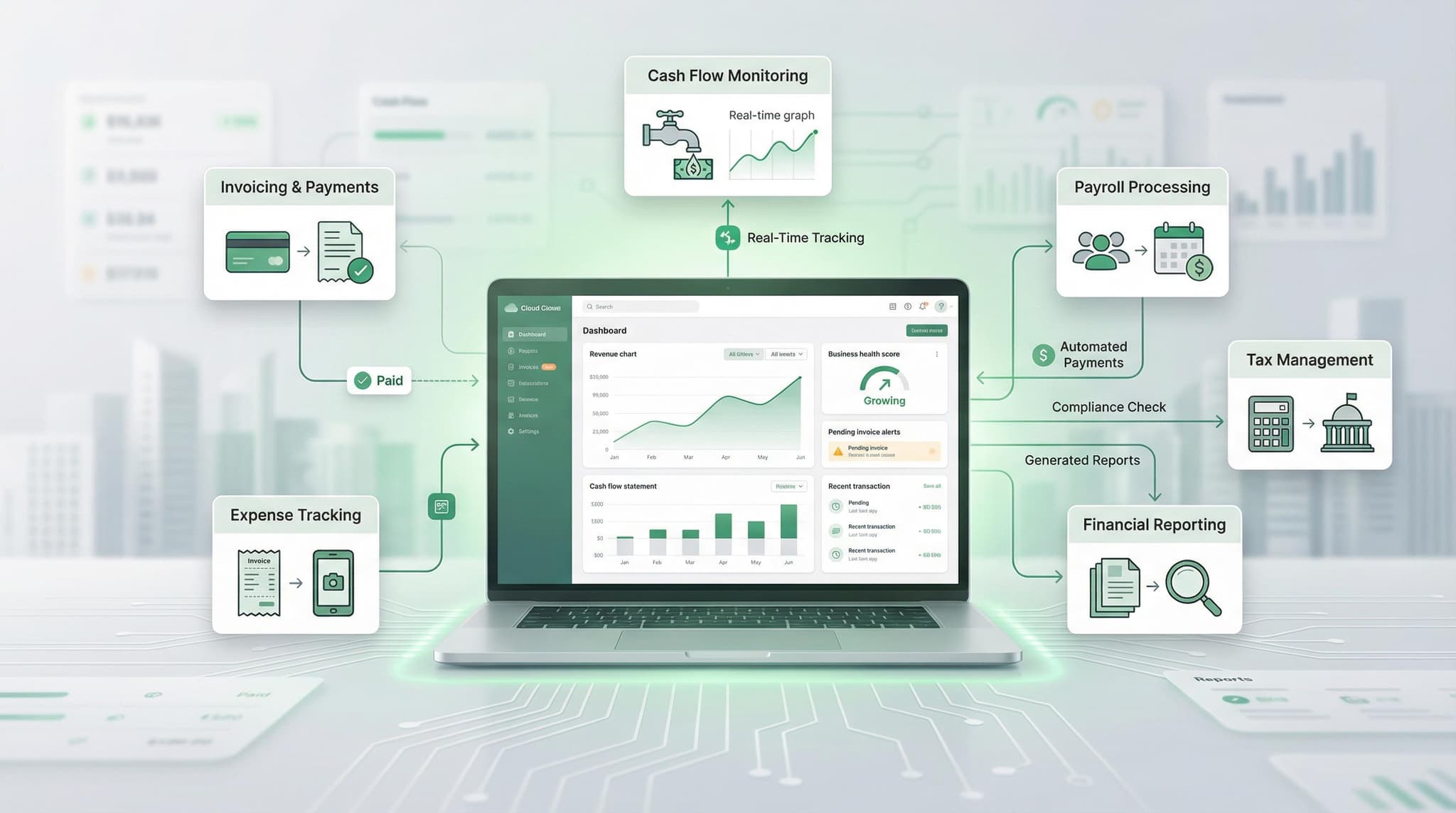
As businesses grow, financial operations become more complex. What once worked with simple spreadsheets or manual bookkeeping often becomes difficult to maintain when transaction volumes increase, teams expand, and financial reporting needs become more detailed. Choosing the right accounting software becomes an important step for companies that want to maintain financial clarity while continuing to grow.
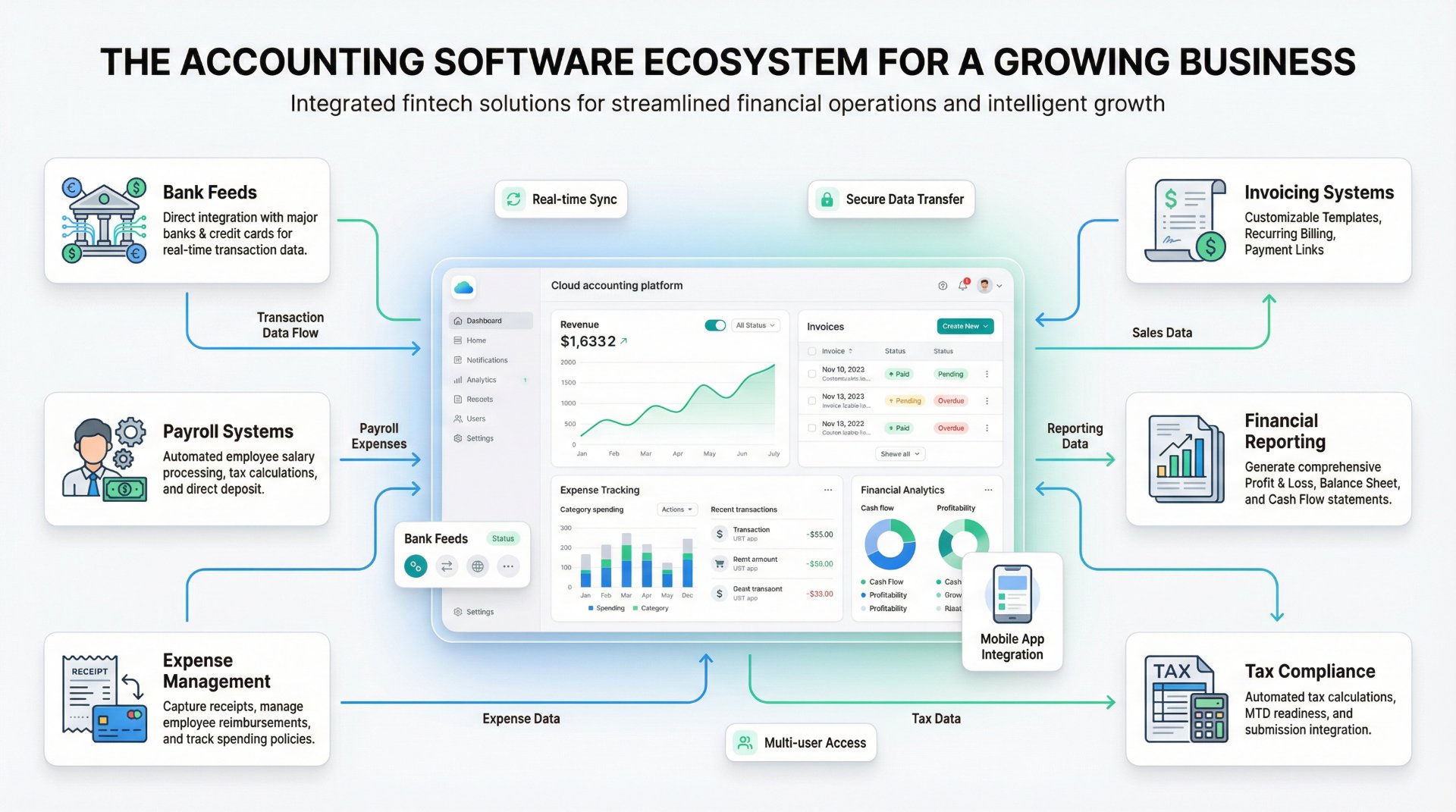
Accounting software is no longer just a tool for recording transactions. Modern platforms help businesses manage invoicing, expenses, payroll, tax reporting, and financial insights in one connected environment. When chosen carefully, the right accounting system can improve efficiency, reduce administrative work, and provide better visibility into the financial health of a company.
Why Growing Businesses Need Accounting Software
In the early stages of a business, financial management is often relatively simple. There may be only a small number of transactions each month, limited staff, and basic reporting needs. Many founders initially rely on spreadsheets or manual bookkeeping processes because they appear sufficient for managing early operations.
However, as a business grows, financial activity expands quickly. More customers mean more invoices. More employees introduce payroll management. Additional expenses, suppliers, and tax requirements add further complexity. Without structured financial systems, managing these activities manually can become time-consuming and prone to error.
Accounting software helps address this challenge by organizing financial data into a single, structured platform. Transactions can be recorded automatically, invoices generated more efficiently, and financial reports produced without the need for complex manual calculations. This allows business owners and finance teams to spend less time managing administrative work and more time understanding financial performance.
Key Features to Look For in Accounting Software
When evaluating accounting software, businesses should focus on features that support both current operations and future growth. Not all accounting platforms offer the same capabilities, and selecting a system that aligns with the company’s needs is essential.
1. Automated Bookkeeping
Automated bookkeeping features help reduce the time spent recording transactions manually. Many accounting systems connect directly with bank accounts to import transaction data automatically. This helps maintain accurate financial records while reducing the risk of human error.
2. Invoicing and Payment Tracking
Efficient invoicing tools are critical for maintaining healthy cash flow. Accounting software should allow businesses to create professional invoices, track payment status, and monitor outstanding balances. Clear invoicing systems make it easier for companies to manage customer payments and identify overdue accounts.
3. Financial Reporting
Financial reporting is one of the most valuable features of modern accounting platforms. Businesses should look for software that can generate essential reports such as profit and loss statements, balance sheets, and cash flow summaries. These reports help leaders understand the financial position of the company and support better decision-making.
4. Tax and Compliance Support
Tax obligations can become increasingly complex as a business grows. Accounting software should support structured record keeping and generate the financial data required for tax reporting. Some systems also include tools that help track VAT or other compliance requirements.
5. Integration With Payroll and Financial Tools
Many businesses benefit from accounting systems that integrate with payroll management, expense tracking, and other financial tools. Integration ensures that financial data remains consistent across different operational processes.
The Importance of Cloud-Based Accounting
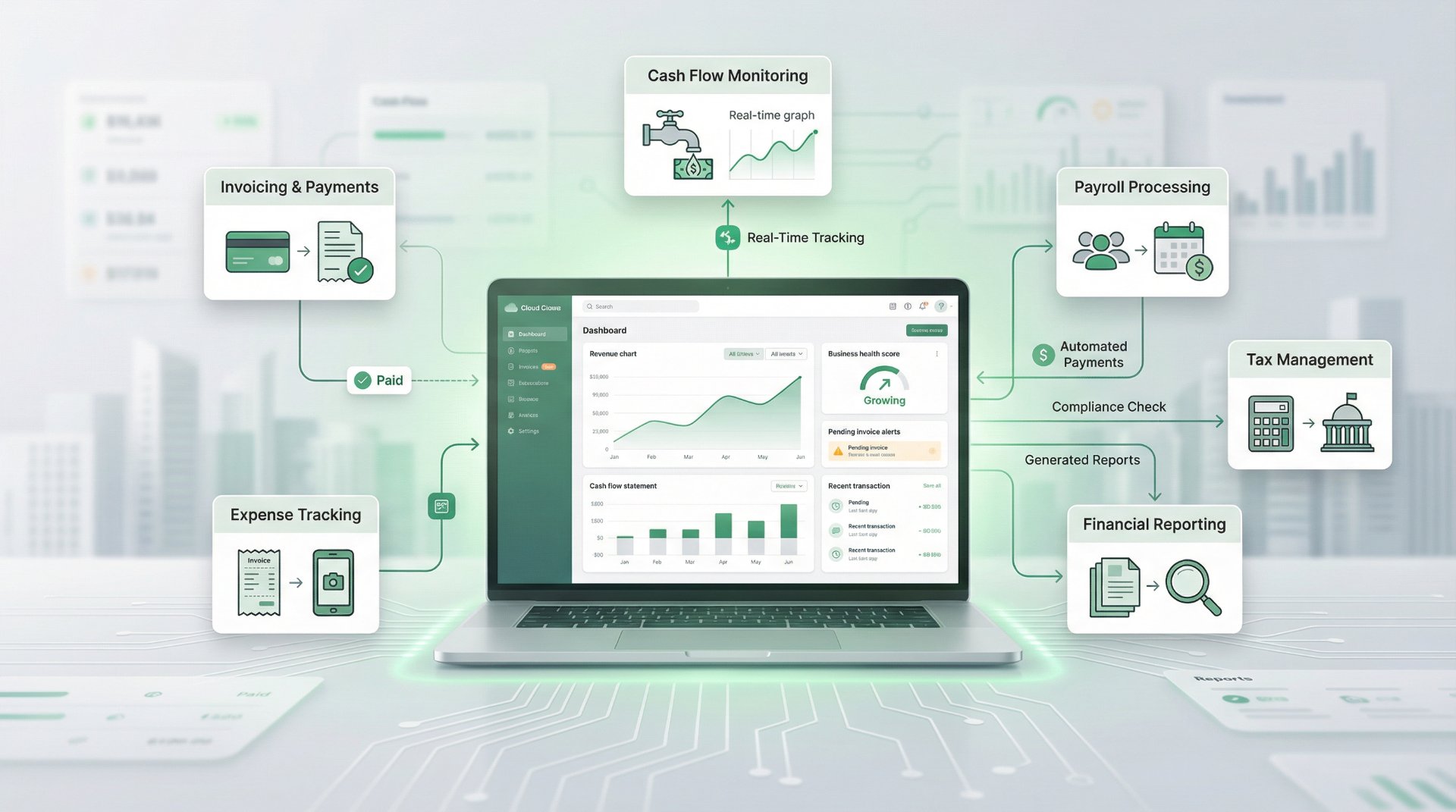
Cloud accounting platforms have become increasingly common because they allow financial data to be accessed from anywhere. Instead of storing accounting records on a single device, cloud systems maintain information securely online. This allows business owners, accountants, and finance teams to access financial data whenever needed.
Cloud accounting systems also make collaboration easier. External accountants or financial advisors can review records without requiring manual file transfers. Financial updates are recorded in real time, helping businesses maintain a more accurate understanding of their financial activity.
Platforms such as Sage Accounting illustrate how cloud systems can support modern financial management. These systems combine bookkeeping, invoicing, reporting, and compliance tools within a single environment, helping businesses manage their financial operations more efficiently.
Scalability Matters for Growing Businesses
One of the most important considerations when selecting accounting software is scalability. A system that works for a small startup may not provide enough functionality as the business expands. Companies should look for software that can support higher transaction volumes, additional users, and more advanced reporting needs as operations grow.
Scalable accounting platforms help businesses avoid the disruption of frequently switching systems. When financial data remains within a stable platform, reporting remains consistent and historical records remain accessible. This continuity is important for maintaining accurate financial analysis over time.
Improving Financial Visibility
Accounting software also plays a key role in improving financial visibility. Many platforms provide dashboards that summarize revenue, expenses, and outstanding invoices. These visual summaries help business owners understand financial performance without needing to analyze large spreadsheets.
Improved financial visibility helps businesses answer important questions such as:
- Is the company generating consistent revenue growth?
- Which expenses are increasing?
- Are customers paying invoices on time?
- How stable is the company’s cash flow?
When financial information is accessible and organized, decision-making becomes more informed. Leaders can identify financial trends earlier and respond more effectively to operational challenges.
Reducing Administrative Work
Manual financial processes often require significant administrative effort. Recording transactions, generating invoices, tracking expenses, and preparing reports can consume valuable time if handled through disconnected systems.
Accounting software helps streamline these activities by automating routine tasks. Recurring invoices can be generated automatically, bank transactions can be categorized quickly, and financial reports can be produced instantly. This allows finance teams to focus more on analysis and planning rather than repetitive administrative tasks.
Supporting Collaboration With Accountants
Many businesses work with external accountants or financial advisors to manage tax compliance and financial reporting. Accounting software simplifies this collaboration by allowing accountants to access financial records directly within the system.
Instead of exchanging spreadsheets or exporting files, accountants can review real-time financial data and generate reports within the platform. Systems such as Sage Accounting support this collaborative approach, allowing businesses and financial professionals to work from the same financial records.
Common Mistakes When Choosing Accounting Software
Despite the benefits of accounting software, some businesses choose systems that do not fully meet their needs. One common mistake is selecting software based only on price rather than functionality. While affordability is important, businesses should also consider long-term operational requirements.
Another mistake is choosing overly complex systems that introduce unnecessary features. Smaller businesses may benefit from simpler platforms that focus on essential financial tasks while still allowing room for growth.
It is also important to consider ease of use. Accounting software should support efficient workflows rather than introduce additional complexity. Platforms with clear interfaces and structured financial dashboards often provide better user experiences for growing teams.
Building a Strong Financial Infrastructure
Accounting software forms a central part of a company’s financial infrastructure. When financial records, invoices, payroll data, and reporting tools exist within a unified system, businesses gain stronger control over their operations.
Integrated platforms help maintain organized financial records while supporting tasks such as tax reporting, financial analysis, and performance tracking. Many businesses rely on cloud accounting platforms like Sage Accounting to maintain structured financial systems that can adapt as operations expand.
Final Thoughts
Choosing the right accounting software is an important decision for any growing business. The right platform can simplify financial management, improve reporting accuracy, and provide greater visibility into business performance. By selecting software that supports automation, financial insights, and scalable workflows, companies can build stronger financial systems that support long-term growth.
Modern accounting platforms combine bookkeeping, invoicing, reporting, and compliance tools into integrated environments that reduce administrative burden. Systems such as Sage Accounting illustrate how digital platforms can support structured financial management while helping businesses maintain accurate records and clearer financial oversight.
As businesses continue to grow and financial complexity increases, accounting software becomes more than a convenience. It becomes a critical component of operational stability and informed decision-making.