Topic

HR

HR related articles

2 articles
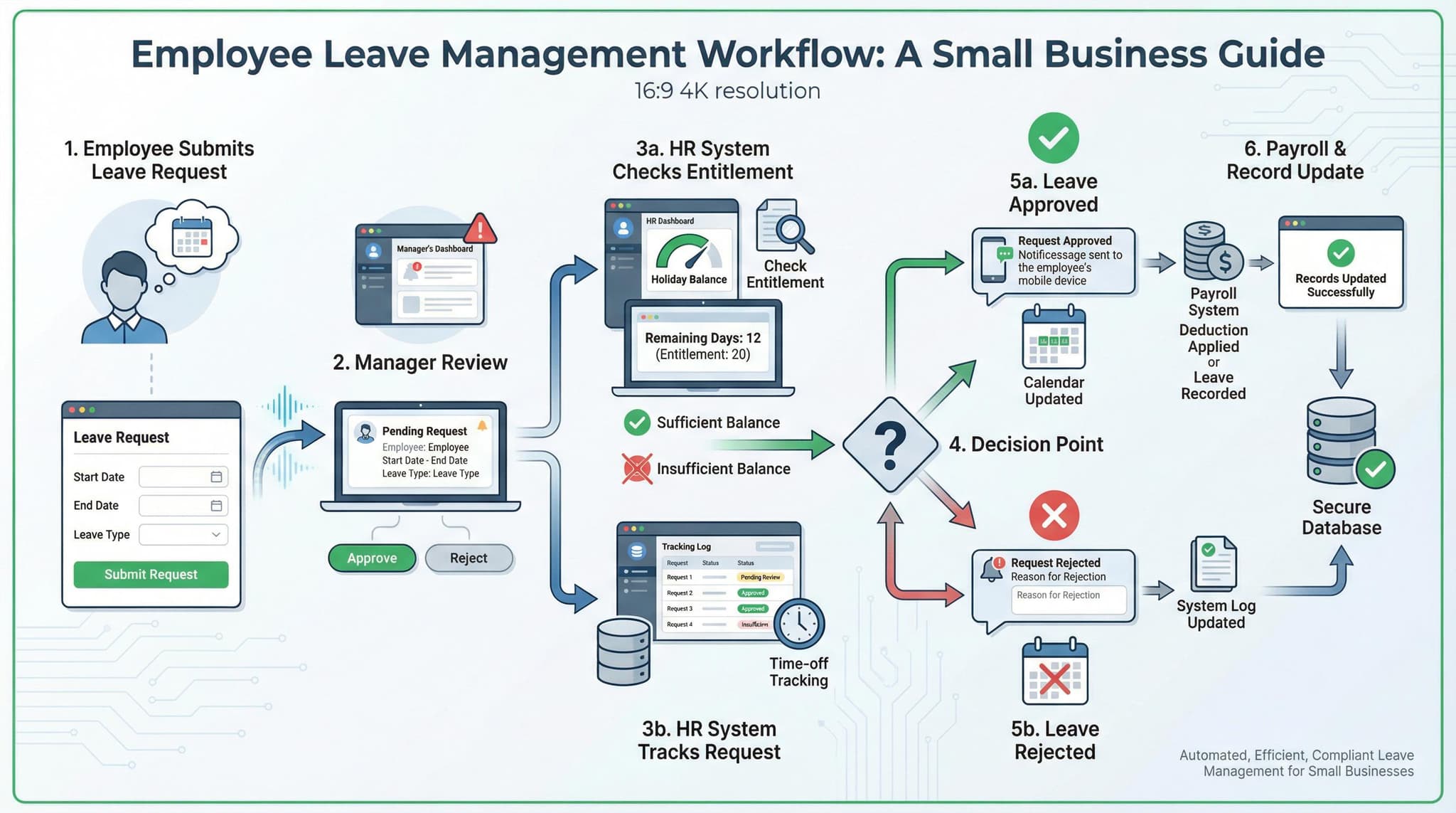
How to Manage Employee Leave and Absence for a Small Business
HR

How to Manage Employee Leave and Absence for a Small Business

Managing employee leave in a UK small business means handling holiday entitlement, statutory sick pay, maternity and paternity leave, shared parental leave, and several newer entitlements including neonatal care leave — all while staying legally compliant. April 2026 brings major changes: SSP is payable from day one of sickness with no earnings threshold, paternity leave becomes a day-one employment right, and all statutory family pay rates increase to £194.32 per week. Getting any of this wrong exposes your business to tribunal claims, HMRC penalties, and payroll errors. This guide covers every type of leave a UK small business needs to understand in 2026, the exact statutory rates, the most common mistakes, and the software tools that make absence management reliable. If you employ anyone, these are the rules you cannot afford to get wrong.
FK
Fiza KanwalMar 12, 202617 min12.8K
Sage HR Review: Is It Worth Adding to Your Sage Accounting Stack?
HR

Sage HR Review: Is It Worth Adding to Your Sage Accounting Stack?

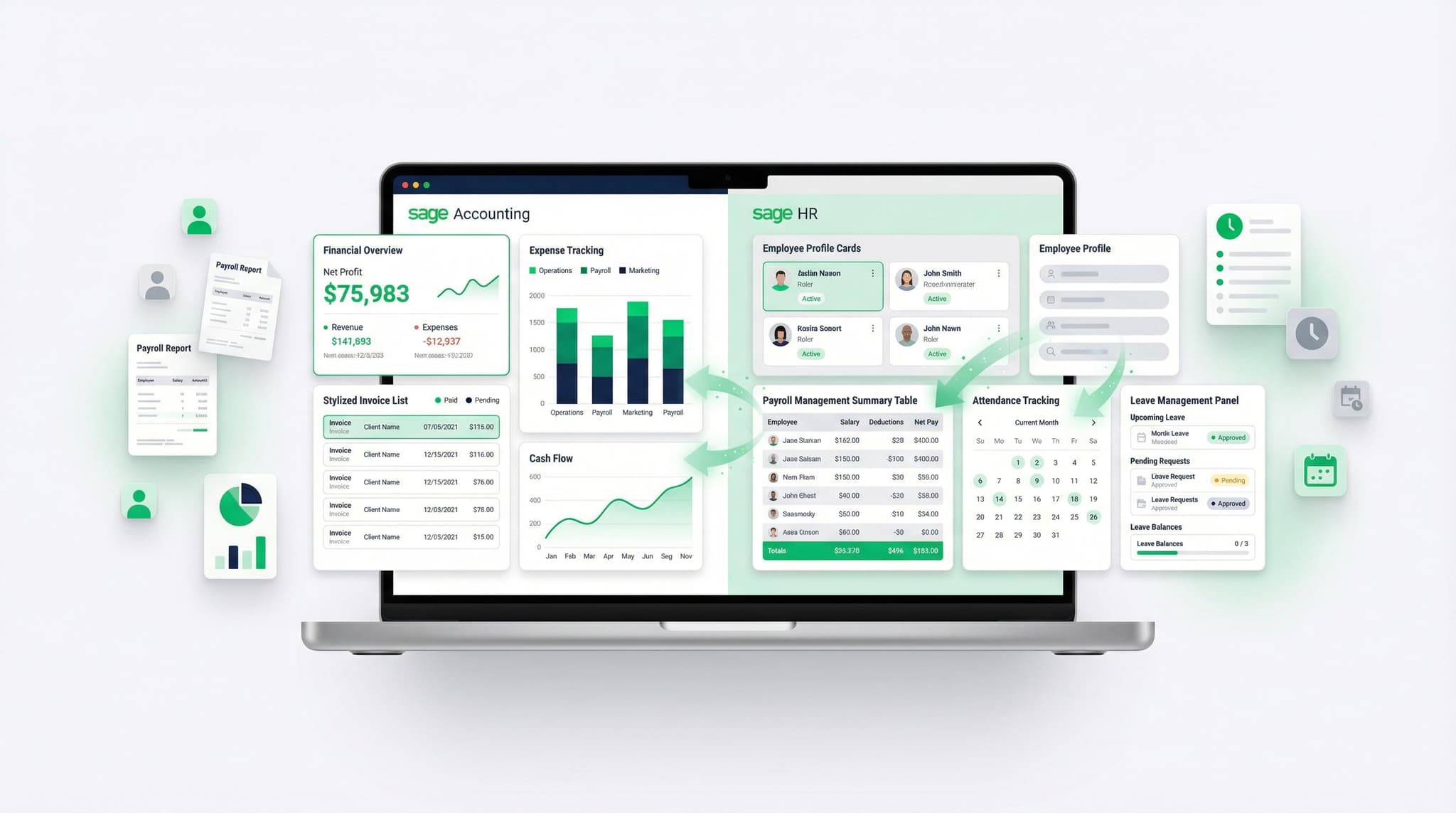
Sage HR is a solid option for UK SMEs that want to move beyond spreadsheets and manage leave, employee records, onboarding, and basic people admin in one place.What makes it stand out is the modular pricing, so you can start small and only add extras like performance, shifts, timesheets, or expenses when you actually need them. ​If you already use Sage Accounting or Sage Payroll, Sage HR makes even more sense because the whole people-and-finance setup feels much more connected. For most growing businesses, especially in the 25 to 100 employee range, it's a practical, professional HR tool that's easy to justify.

FK
Fiza KanwalMar 9, 202615 min14.8K